
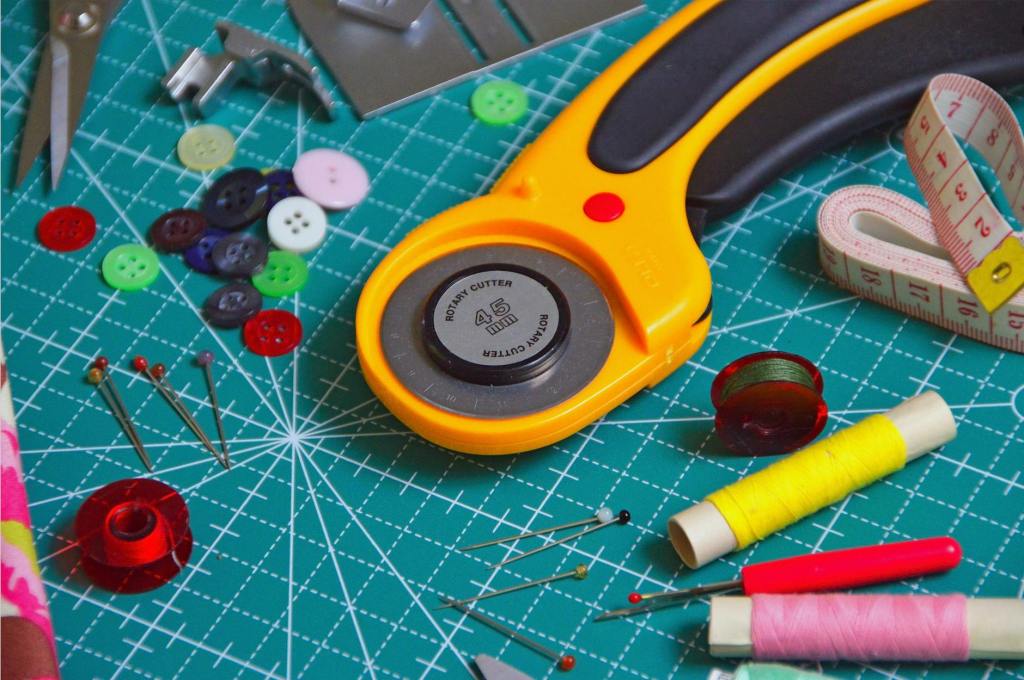
When you’re diving into a new sewing project, one of the first things you’ll need to figure out is how you’re going to cut your fabric. The big question here is: should you use scissors or a rotary cutter? Both tools have their own unique perks and downsides, and the right choice can depend on a few factors, like what kind of project you’re working on, your experience level, and your own personal preferences. Let’s explore the pros and cons of each to help you decide.
Scissors: The Classic Choice
Why You’ll Love Them
- Precision and Control: Scissors give you a lot of control. You can easily maneuver them to cut out intricate patterns and shapes, which is great for detailed work like appliqué.
- Versatility: A solid pair of fabric scissors can handle almost any material, from delicate silks to tough denim. Plus, they’re not just for cutting fabric; you can also use them to trim threads and snip corners.
- Easy to Access and Portable: Scissors are super convenient. You don’t need a cutting mat or any extra gear, making them easy to carry around. Perfect for when you’re sewing on the go or in a small space.
- Budget-Friendly: Scissors are generally cheaper than rotary cutters, especially when you consider you don’t need to buy extra mats or blades.
The Downside
- Hand Fatigue: Cutting a lot of fabric with scissors can tire out your hands, especially if your scissors aren’t ergonomically designed or if you have arthritis.
- Straight-Line Challenges: Keeping a straight line over long cuts can be tricky with scissors, which might lead to less precise cuts compared to using a rotary cutter.
- Fabric Distortion: Scissors can sometimes lift and move the fabric as you cut, which can distort it, especially with slippery or stretchy materials.
Rotary Cutters: The Modern Tool
Why They’re Awesome
- Speed and Efficiency: Rotary cutters can slice through multiple layers of fabric quickly, making them a favorite for quilters and anyone working on larger projects.
- Clean, Straight Cuts: With the help of a ruler and a cutting mat, rotary cutters can give you perfectly straight cuts. This precision is fantastic for cutting strips or squares for quilting.
- Less Hand Strain: Rotary cutters are easier on your hands and wrists than scissors, requiring less effort to make a clean cut.
- Minimal Fabric Movement: The rolling action of a rotary cutter keeps the fabric flat and stable, reducing the risk of it shifting and distorting.
The Downside
- Safety Concerns: Rotary cutters are super sharp and can be dangerous if not used carefully. Always use them with a cutting mat and a ruler to stay safe.
- Extra Gear Needed: Unlike scissors, you’ll need a self-healing cutting mat and ideally a ruler designed for rotary cutting. This adds to the cost and the amount of space you need.
- Blade Maintenance: The blades on rotary cutters dull over time and need regular replacement to stay effective. A dull blade can lead to ragged cuts and more effort, which defeats the ergonomic benefits.
Making Your Choice: Scissors or Rotary Cutter?
When choosing between scissors and a rotary cutter, think about the specifics of your project and what you’re comfortable with. If you’re doing detailed, intricate work or using a variety of materials, scissors might be your best bet for their precision and versatility. On the other hand, if you’re cutting large pieces of fabric, working with straight lines, or quilting, a rotary cutter can save you time and give you cleaner cuts.
For beginners, starting with a good pair of fabric scissors is a smart move. They’re easier to use and more affordable. As you get more experienced and take on bigger projects, investing in a rotary cutter and the necessary accessories might be a game-changer for you.
In the end, both scissors and rotary cutters have their own place in your sewing toolkit. By understanding their strengths and weaknesses, you can choose the tool that suits your project and personal style best, making your sewing experience smoother and more enjoyable. Happy sewing!
 Couture Boot Camp
Leave a comment